
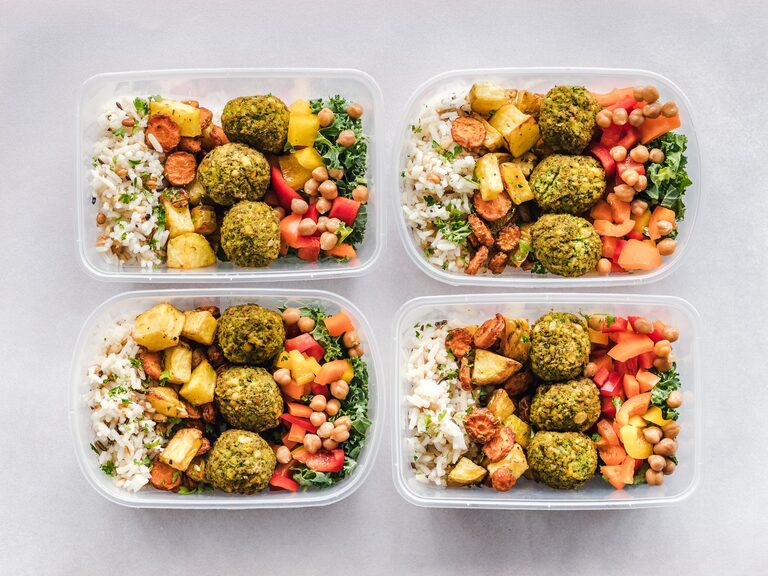
Planning balanced meals doesn’t have to be a source of stress or overwhelm. With a few straightforward tips and a bit of organization, you can create nutritious, satisfying meals that support your health and fit your lifestyle. Whether you’re cooking for yourself, your family, or a busy household, this guide will help you make meal planning simple and enjoyable.
Why Balanced Meals Matter
Eating balanced meals means including a variety of food groups—such as vegetables, fruits, whole grains, proteins, and healthy fats—in the right proportions. Balanced meals provide essential nutrients that fuel your body, support brain function, and keep energy levels steady throughout the day. When meals are balanced and planned ahead, you’re less likely to reach for unhealthy options or feel overwhelmed at mealtime.
Step 1: Keep It Simple
Start with the basics. You don’t need complicated recipes or fancy ingredients to eat well. Focus on wholesome foods that you enjoy and that are easy to prepare. Here are some simple guidelines:
– Include a source of protein (like chicken, beans, tofu, fish, or eggs)
– Add plenty of colorful vegetables or fruits
– Choose whole grains (such as brown rice, quinoa, or whole wheat bread)
– Incorporate healthy fats (avocado, nuts, seeds, or olive oil)
Step 2: Plan Your Meals Weekly
Planning meals for the week ahead helps reduce daily decision fatigue and last-minute scrambling. Here’s how to do it without feeling overwhelmed:
– Set aside 15-30 minutes once a week to plan your meals.
– Choose 3-5 dinner ideas you can rotate or modify.
– Think about breakfasts and lunches that can be prepared in advance or grabbed quickly.
– Consider leftovers for easy next-day meals.
Step 3: Create a Flexible Meal Template
Having a meal template can speed up planning and shopping. For example:
– Breakfast: Protein + fruit + whole grain
– Lunch: Protein + veggies + whole grain or salad
– Dinner: Protein + veggies + complex carb + healthy fat
Swap out proteins, vegetables, and grains according to what’s in season or on hand.
Step 4: Make a Smart Grocery List
Once your meals are planned, write a grocery list organized by sections of the store (produce, dairy, meat, grains). This helps you shop efficiently and avoid impulse buys. Stick to your list to save time and money.
Step 5: Prep in Advance
Meal prepping can ease your daily cooking routine and reduce stress. Try these tips:
– Wash and chop vegetables right after grocery shopping.
– Cook grains or proteins ahead of time.
– Portion meals or ingredients into containers for grab-and-go convenience.
Even prepping for a few meals a week can make a big difference.
Step 6: Embrace Variety and Flexibility
Eating the same meals every day can get boring, but rotation and creativity keep things interesting:
– Use herbs, spices, and sauces to change flavors.
– Swap veggies or proteins depending on availability.
– Mix raw and cooked ingredients for texture variety.
– Don’t be afraid to try new recipes or cuisine styles.
Step 7: Listen to Your Body
Balanced eating isn’t about strict rules—it’s about nourishment and satisfaction. Pay attention to hunger and fullness cues, and allow yourself occasional treats. This mindset reduces pressure and supports a healthy relationship with food.
Sample Balanced Meal Ideas
Here are some simple ideas to get you started:
– Breakfast: Greek yogurt with mixed berries and a sprinkle of granola.
– Lunch: Quinoa salad with chickpeas, spinach, cucumber, tomatoes, and a lemon-tahini dressing.
– Dinner: Baked salmon with roasted sweet potatoes and steamed broccoli.
– Snack: Apple slices with almond butter.
Tips to Keep Stress at Bay
– Don’t aim for perfection—focus on progress.
– Keep a list of go-to meals for busy days.
– Use kitchen tools like slow cookers or air fryers to save time.
– Involve family members in planning and cooking to share the load.
– Keep your kitchen organized and stocked with staples.
In Conclusion
With simple planning, a few handy tools, and flexible meal ideas, you can easily enjoy balanced meals without the stress. Remember to keep your approach practical and enjoyable—food should be nourishing and fun, not a burden. Start small, build routines, and watch mealtime become a positive part of your day.
Happy cooking!